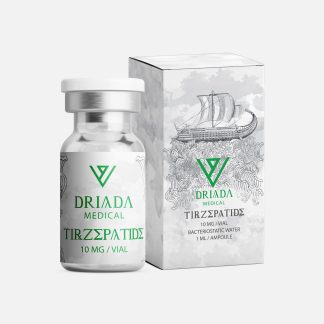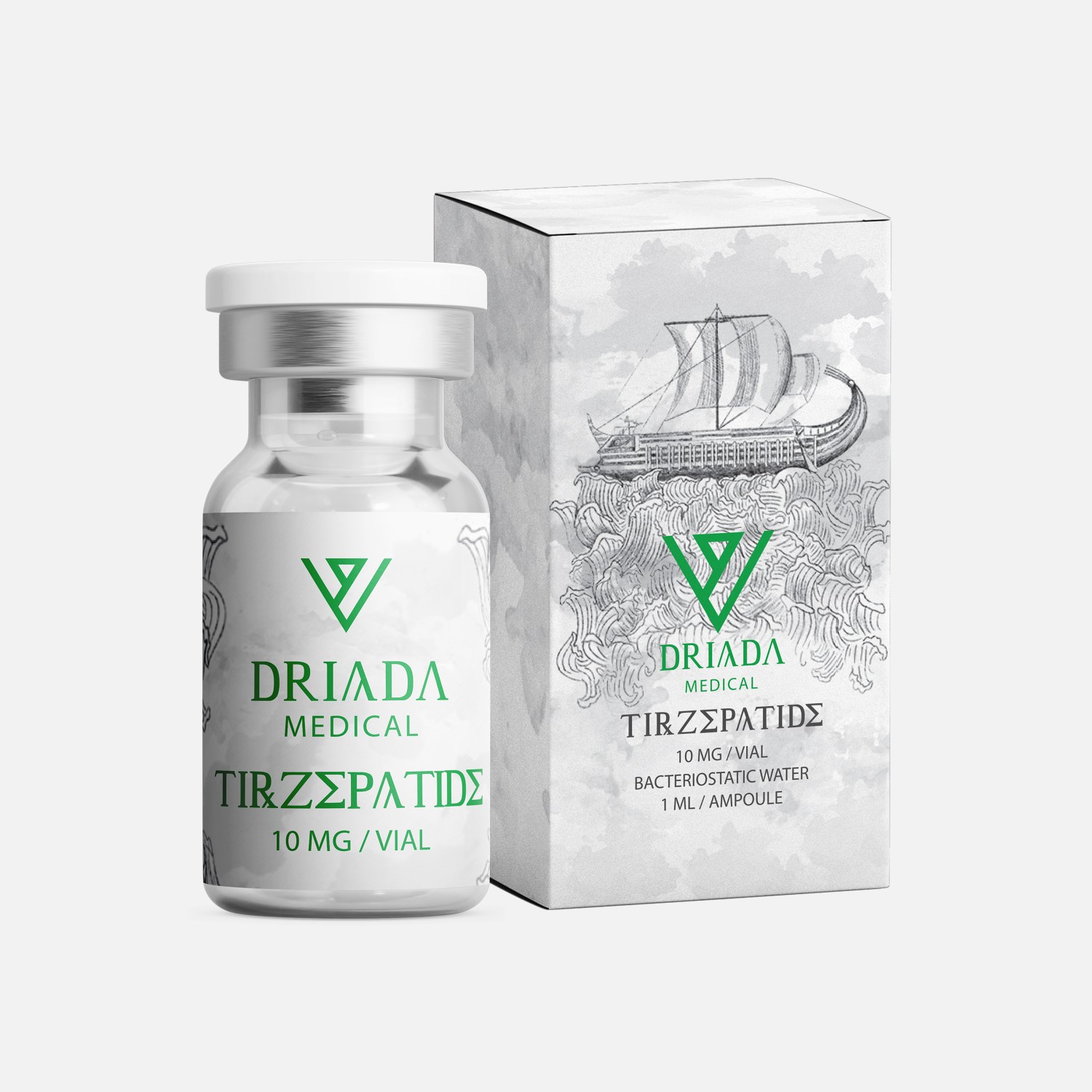
Description
- Category: Peptide
- Purpose: Weight loss, appetite control
- Form: Vial with lyophilized powder + 1 ml ampoule of bacteriostatic water for reconstitution
- Administration: Subcutaneous injection
What is Tirzepatide?
Tirzepatide is an innovative medication for the treatment of type 2 diabetes and obesity. It activates two receptors in the body: GIP and GLP-1, which help regulate blood sugar levels, appetite, and fat storage. By acting on both hormonal pathways, tirzepatide helps lower blood sugar levels and promotes significant weight loss. It is more effective than many older treatments and is being researched for additional applications beyond diabetes. Finally, you can find tirzepatide in our shop, making access to this effective treatment for weight loss and blood sugar control easier than ever.
Main effects of Tirzepatide
🍽️ Reduced appetite — Slows down how quickly food leaves the stomach, making you feel full longer and naturally eat less.
📉 Weight loss — Helps lower body weight by improving the body’s energy utilization and reducing calorie intake.
🩸 Better blood sugar control — Supports the body’s natural insulin response, helping to keep blood sugar levels stable and lower in the long term.
🫀 Heart and metabolic support — May help lower blood pressure, improve cholesterol levels, and calm low-grade inflammation in the body.
How to take Tirzepatide?
Tirzepatide is supplied in a vial with 5 mg of lyophilized powder. If you wish to buy tirzepatide, please note that it must be reconstituted with the provided injection water before use. You can read detailed instructions on preparing peptides and administering injections on our website.
Dosing schedule
Weeks 1–4: 2.5 mg once a week. Initial dose. Helps the body get used to the medication and reduces nausea.
Weeks 5+: 5 mg once a week. Increase if no major side effects occur.
Weeks 9+: 7.5 mg, 10 mg, 12.5 mg, up to 15 mg. Increase gradually every 4+ weeks if necessary. Stay on the lowest dose that works well for you.
Tirzepatide can be used for extended periods — in clinical trials, people have taken it for over a year without issues. If the medication works well and side effects are minimal, many choose to stay on a stable dose for months or longer. It is very important to pay attention to how you feel while taking tirzepatide, monitor for side effects, and avoid overdosing. Long-term use is possible, but it is best to stay on the lowest effective dose and take breaks if needed.
It can be taken at any time of day, with or without food.
If you miss a dose, take it within 4 days (96 hours); otherwise, skip it and continue as usual.
Precautionary measures
- Do not use if you or a family member have had medullary thyroid carcinoma or MEN2 syndrome.
- Not for people with type 1 diabetes or a history of pancreatitis.
- Avoid during pregnancy or breastfeeding.
- Do not combine with other GLP-1 receptor agonists (such as semaglutide or retatrutide).
Possible side effects
Some side effects are more common than others. Here is what people typically report:
Very common (10% or more):
- Nausea
- Diarrhea
- Reduced appetite
- Fatigue
- Digestive disorders
Common (1–10%):
- Vomiting
- Constipation
- Abdominal pain or bloating
- Heartburn
- Injection site reactions
Occasional (0.1–1%):
- Gallstones
- Pancreatitis
- Elevated digestive enzymes in blood tests
Rare:
- Allergic reactions
- Kidney problems
- Thyroid problems (mostly in individuals with a family history)
Most side effects are mild and subside over time. If something feels unusual or worsens, it is a good idea to stop and take a break.
How to store
- Store the product refrigerated at 2–8 °C (36–46 °F).
- Do not freeze.
- Protect from light.
- Avoid frequent temperature fluctuations (e.g., repeatedly taking it out of the refrigerator).
- After reconstitution, store refrigerated and use within approximately one month.
How does Tirzepatide work?
Tirzepatide acts on two important hormone receptors that regulate blood sugar, appetite, and fat metabolism: GIP and GLP-1. Their combined activation helps improve glucose control, promote weight loss, and support healthier fat handling.
GIP
GIP (glucose-dependent insulinotropic polypeptide) is a hormone released by the small intestine after eating, particularly after consuming fats and carbohydrates. Its main task is to help the pancreas release insulin — but only when blood sugar is elevated. This targeted action helps lower post-meal blood sugar without the risk of hypoglycemia (dangerously low blood sugar).
GIP also affects fat metabolism. It normally promotes fat storage in the body, but in combination with GLP-1 activation, as is the case with tirzepatide, the overall effect shifts toward fat breakdown, particularly of harmful visceral fat.
Furthermore, tirzepatide influences certain proteins and genes involved in GIP regulation, helping the body respond better to food intake, especially high-fat meals.
GLP-1
GLP-1 (glucagon-like peptide-1) is another hormone released after eating. It sends signals to the brain that promote early satiety, thereby reducing hunger and food intake. It also slows gastric emptying, making the feeling of fullness last longer.
GLP-1 supports blood sugar control by increasing insulin secretion and lowering glucagon levels — a hormone that would otherwise raise blood sugar. Through these combined effects, tirzepatide improves both post-meal and fasting glucose levels while simultaneously making it easier to maintain a caloric deficit for weight loss.
Synergy of GIP and GLP-1
While each hormone has its benefits, the true strength of tirzepatide lies in their combined activation. Together, GIP and GLP-1 provide stronger improvements in blood sugar control, appetite regulation, and fat metabolism compared to targeting a single pathway. This dual mechanism also supports beta-cell health and helps preserve the pancreas’s ability to produce insulin long-term.
Beyond blood sugar and appetite, tirzepatide also positively influences how the body handles fats. It promotes the burning of stored fats for energy, improves the cholesterol profile by lowering LDL (“bad”) cholesterol and raising HDL (“good”) cholesterol, and reduces visceral fat — the type most closely linked to heart disease and insulin resistance.
Tirzepatide can also lower systemic inflammation and improve vascular function, providing additional cardiovascular protection for people with type 2 diabetes or obesity.
Tirzepatide vs Semaglutide vs Retatrutide
Tirzepatide, semaglutide, and retatrutide all belong to the same medication family — they target hormones that regulate appetite, blood sugar, and metabolism. Tirzepatide may differ in price and cost from the others, but it is important not to base your decision solely on that. Understanding how each medication works and its effects will help you make a more informed choice.
In summary:
- Semaglutide activates one receptor (GLP-1)
- Tirzepatide activates two receptors (GLP-1 and GIP)
- Retatrutide activates three receptors (GLP-1, GIP, and glucagon)
Medication: Semaglutide | Activated Receptors: GLP-1 | Main Effects: Appetite suppression, slower gastric emptying, glucose control | Average Weight Reduction: Up to ~15% over 68 weeks
Medication: Tirzepatide | Activated Receptors: GLP-1 + GIP | Main Effects: Appetite control, blood sugar regulation, improved insulin action, enhanced fat metabolism | Average Weight Reduction: Up to ~22.5% over 72 weeks
Medication: Retatrutide | Activated Receptors: GLP-1 + GIP + Glucagon | Main Effects: All of the above + increased energy expenditure and stronger fat burning | Average Weight Reduction: Up to ~24% over 48 weeks
Tirzepatide has already completed all required clinical trials and is approved for use worldwide. Among fully studied and widely used medications, it is currently the most effective — offering stronger improvements in blood sugar control and greater weight loss compared to semaglutide. It combines a high level of efficacy with a favorable safety profile, making it one of the most powerful treatments available today.
FAQ
Do I need a prescription to buy Tirzepatide?
Yes, tirzepatide is a prescription medication.
Does Tirzepatide require injections?
Yes, tirzepatide is administered once weekly as a subcutaneous injection.
Is Tirzepatide available without a prescription?
Yes, on our website, tirzepatide can be purchased without a prescription. Tirzepatide is available online here, with clear instructions and support.
How long can I take Tirzepatide?
There is no strict limit — treatment can be continued as long as it remains effective and well-tolerated.
Is it safe to buy Tirzepatide online?
It can be safe if purchased from a trusted online source, but always verify authenticity and local laws. Avoid unverified sellers to reduce risks. We offer tirzepatide for sale with clear quality standards and reliable delivery.
Reviews
(Customer reviews and testimonials section)