Description
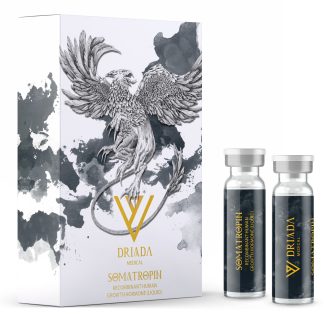
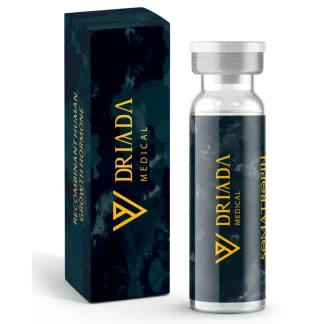
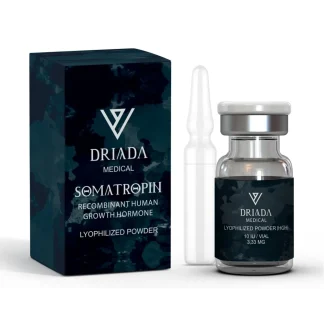
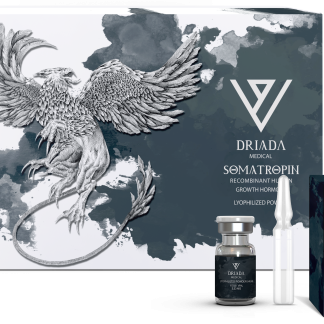
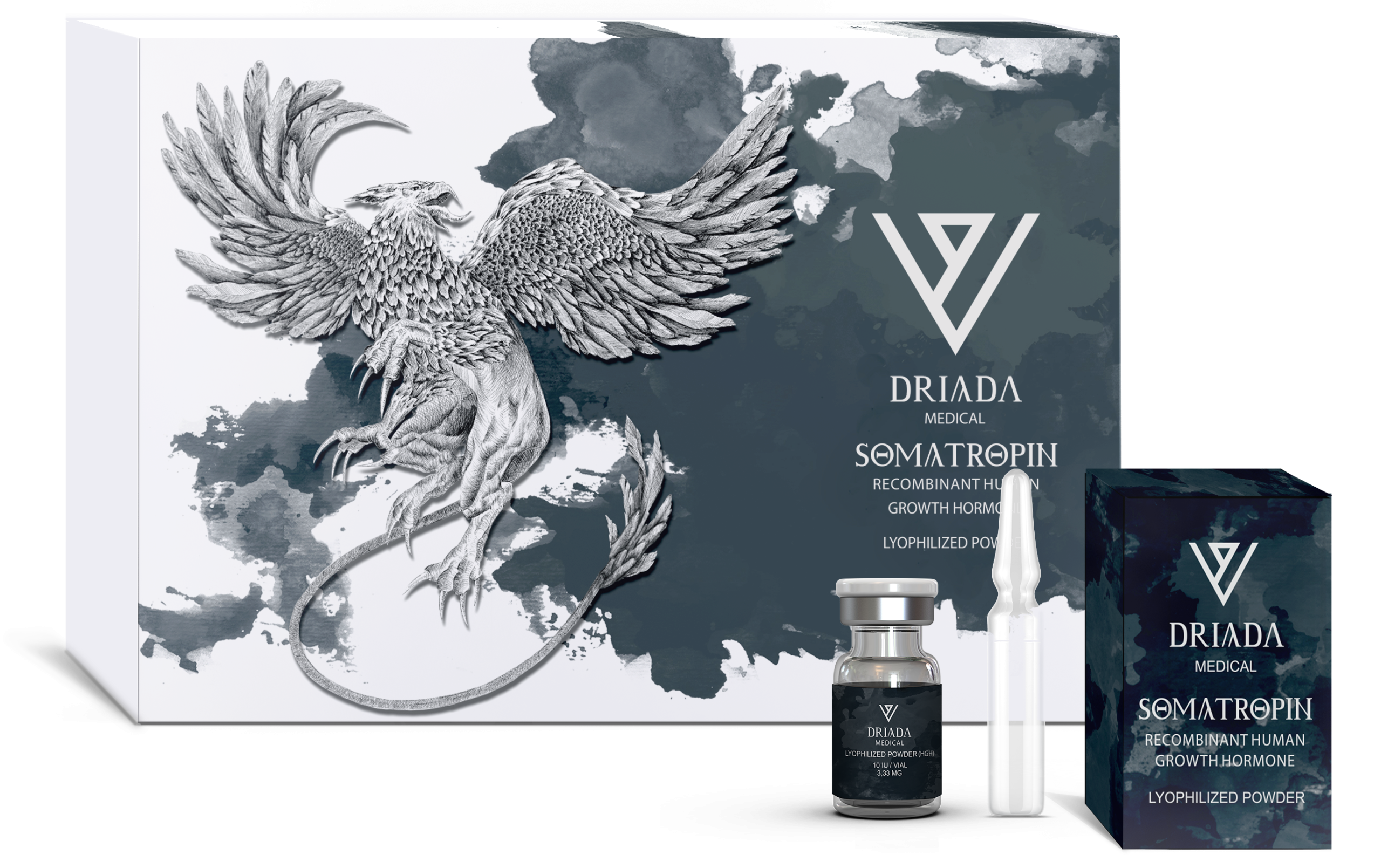
Package: 10x vial (10 IU/vial) + water
What is growth hormone?
Somatotropin, also known as human growth hormone (HGH or GH), is a vital peptide hormone synthesized in the anterior lobe of the pituitary gland. It plays a crucial role in promoting protein synthesis, regulating sugar and carbohydrate metabolism, supporting tissue regeneration after injuries, and ensuring the proper function of numerous body systems and organs. This hormone is crucial for stimulating overall growth, promoting cell growth and regeneration in both humans and animals, and is essential during developmental phases of life.
GH is central to the development and growth of body tissues and organs, drives bone growth, and modulates the metabolism of fats, sugars, proteins, and minerals, as well as the fluid and electrolyte balance in the body. It triggers the breakdown of fats in fat cells, increases the absorption of amino acids, and promotes nitrogen retention in muscles, which supports the preservation of muscle mass and strength. In addition, GH influences the production of insulin-like growth factor 1 (IGF-1), mainly in the liver. IGF-1 plays an important role in growth and metabolic activities.
During the growth phase, the production of growth hormone in the body is at its peak, enabling us to progress from childhood to adulthood through various stages of development. The highest secretion of this hormone occurs in infancy and adolescence, after which a gradual decline begins around the age of 25.
The hormone is praised for its ability to increase muscle growth through its anabolic and anti-catabolic properties, by promoting protein synthesis and slowing down its breakdown. It is crucial for reducing subcutaneous fat and increasing fat burning during physical activities, making it highly appreciated by athletes.
In addition, somatotropin regulates carbohydrate metabolism by producing a counter-insulin effect (reducing insulin efficacy), which in turn increases blood sugar levels and provides the body with an energy reserve for physical exertion. It also plays a key role in preventing osteoporosis by increasing the bone’s capacity to absorb calcium, which is particularly important during physical activities.
Effects of growth hormone
Growth hormone serves as an important mediator and acts as the decisive element in the production of insulin-like growth factor (IGF-1), whereby IGF-1 is responsible for executing the primary effects normally associated with growth hormone. In addition, growth hormone directly affects numerous body functions by binding to its specific receptors.
Growth hormone facilitates several important biological processes, including:
- Promotion of lipolysis, or the conversion of fat molecules into fatty acids.
- Increase in cell membrane permeability for various amino acids, ensuring cells are supplied with essential “building materials”.
- Increase in the body’s ability to retain calcium, which contributes to strengthening the bones.
- Strengthening the immune system.
- Promotion of the conversion of thyroxine (T4) into triiodothyronine (T3).
- Increase in blood glucose levels.
The role of conversion into IGF-1
While some effects of growth hormone occur immediately, an essential part of its effectiveness is mediated through insulin-like growth factor IGF-1 (formerly known as somatomedin C). In response to somatotropin, IGF-1 is produced in the liver and is of crucial importance for the growth of most internal organs in the body. In the context of sports, almost all the advantages associated with growth hormone are due to the activity of IGF-1. Therefore, growth hormone mainly acts as a facilitator, essentially bridging the gap in the synthesis of this secondary hormone. Several effects often attributed to growth hormone are actually executed by IGF-1, especially regarding the growth of body tissues.
In addition, IGF-1:
- Increases the body’s antioxidant levels.
- Combats inflammation.
- Ensures the maintenance of blood sugar levels and electrolyte stability.
- Contributes to the prevention of heart disease.
- Improves cognitive functions, especially during recovery after strokes.
- Exerts an anabolic effect, promoting muscle development.
- Accelerates the healing process by increasing collagen production.
- Strengthens bones through increased calcium retention, which improves bone density.
What is growth hormone used for?
Strengthening tendons and joints
In disciplines such as strength training and power sports, where tendon robustness plays a decisive role in performance, growth hormone proves to be extremely advantageous. Interestingly, only a small amount is required to achieve this effect. In team sports and martial arts, which often involve joint and tendon injuries, growth hormone is increasingly used for rehabilitation and significantly shortens the downtime athletes need for recovery.
Increasing explosive power
Growth hormone is also used to increase speed and explosiveness, which is particularly advantageous for sprinters and athletes in sports that require sudden movement impulses (like football, hockey, rugby, and various martial arts).
Increase in muscle mass
An increase in somatotropin levels significantly increases protein synthesis and inhibits the oxidation of amino acids. Anabolic steroids and IGF-1 act synergistically with growth hormone. In addition, growth hormone almost completely blocks glucose absorption by adipose tissue, even in the presence of insulin, thereby directing the majority of glucose to muscle cells, which supports anabolism and helps prevent fat accumulation.
Fat reduction
Because of its strong lipolytic (fat-burning) characteristics, growth hormone is also turned to by many bodybuilders and individuals who want to refine their appearance and achieve a sporty figure.
Anti-aging advantages
A lack of growth hormone in adults is often associated with the aging process: from the age of about 40-45, the natural production of somatotropin in the body decreases significantly, which can lead to various problems such as worsening cholesterol levels, loss of muscle mass, osteoporosis, and reduced collagen production. In these cases, the administration of synthetic growth hormone can offer considerable support.
Dosage
- For anti-aging purposes: 1–1.5 IU daily
- To strengthen tendons and joints and support recovery after injuries: 2–3 IU daily
- To accelerate recovery after intensive effort: 3–4 IU daily
- For fat burning: 3–6 IU daily
- To increase muscle mass: 6–12 IU daily
Precautionary measures and contraindications
- People with cardiovascular diseases
- Individuals diagnosed with cancer
- People with type 2 diabetes
Possible side effects
Although growth hormone is generally considered safe when prescribed doses are observed, some users may experience side effects such as fluid retention, increased blood pressure, carpal tunnel syndrome, and an increase in blood sugar levels. These include:
- Carpal tunnel syndrome
- Fluid retention
- Increased blood pressure
- Reduced thyroid function
- Hyperglycemia (high blood sugar)
- Joint pain (arthralgia)
Storage and reconstitution of growth hormone
The powder form or lyophilisate includes 10 vials of powder as well as 10 vials of water for reconstitution. Growth hormone in this lyophilized powder state is usually delivered with a solvent (bacteriostatic water) to make it easier to prepare the solution. Once reconstituted, the growth hormone remains in a liquid state. The amount of solvent required for each unit of growth hormone should be followed exactly in accordance with the provided instructions.
Solvent (bacteriostatic water)
In an aqueous environment, growth hormone begins to degrade quickly, partly because bacteria prefer moist environments for growth and multiplication. While injection water is sterile, its sterility is immediately compromised when its container is opened (often an ampoule, although water is increasingly found in vials or small plastic bottles). To extend the sterility of the water, substances such as benzyl alcohol or metacresol, which are known for their potent antibacterial properties, are added. This treated water becomes bacteriostatic and effectively keeps bacteria in a “static state” where they cannot multiply. In this bacteriostatic milieu, the growth hormone can remain stable and resist significant degradation over a much longer period.
How to prepare the solution
- Fill the syringe with water. Typically, the contents of the vial are dissolved with one milliliter of water.
- Inject the water into the vial containing the lyophilized powder. Tilt the vial so that the needle grazes the wall of the vial. It is important not to direct the solvent directly onto the powder. Let the diluent gently trickle down the sides of the vial (do not add it all at once and do not rush).
- After all the diluent has been added to the peptide vial, gently swirl the vial (but do not shake vigorously) until the lyophilized powder is completely dissolved and you obtain a clear solution. The product is now ready for administration. Store the reconstituted solution in the refrigerator at 2-8 °C for up to 14 days, or at room temperature for 2-3 days.
Storage
The unmixed, dry form can be stored either at room temperature or in the refrigerator. The lyophilized powder remains stable as long as it is not exposed to direct sunlight (or daylight lamps) and is not heated. Under suitable conditions, somatropin in its dry form can be stored for up to 3 years if kept at 2-8 °C, and up to 2 years if stored in the temperature range of 15-30 °C.
If the vial containing somatropin is opened and exposed to air, the active ingredient will degrade relatively quickly outside of refrigeration – within about two weeks, approximately half of its potency may be lost. Therefore, it is advisable to refrigerate the medication if the integrity of the packaging is compromised.
The bacteriostatic water provided for reconstitution should be consistently refrigerated at 2-8 °C to maintain its efficacy. When storing growth hormone together with bacteriostatic water, it is best to refrigerate the entire kit.
FAQ
Do I need to do Post-Cycle Therapy (PCT) after taking Human Growth Hormone?
No, Post-Cycle Therapy (PCT) is not required after using growth hormone, as it does not affect your sex hormone levels.
Are HGH injections harmful?
HGH injections are administered subcutaneously with a small insulin syringe with a needle up to 13 mm in length. This method minimizes discomfort and makes the injections practically painless.
How does human growth hormone affect women?
More and more women are turning to HGH for its potential benefits in anti-aging and weight loss. A deficiency of human growth hormone in women typically results from insufficient production by the pituitary gland. This condition can be reversed through growth hormone therapy. Symptoms of HGH deficiency in women include dry skin, hair loss, increased abdominal fat, and the appearance of wrinkles. Adequate HGH levels can help women maintain a healthy ratio of body fat and skin elasticity. Furthermore, balanced HGH levels in women reduce the risk of osteoporosis. HGH injections can also help normalize sleep patterns, improve skin elasticity, reduce excess fat, and strengthen the immune system.
What can I expect from using growth hormone?
Growth hormone is highly sought after in sports primarily for its ability to reduce subcutaneous fat. Furthermore, research shows that the use of somatotropin can lead to an increase in lean muscle mass, connective tissue, and muscle cell volume due to fluid retention.
Is it possible to use growth hormone with anabolic steroids?
Yes, the use of growth hormone in combination with anabolic steroids can enhance the effects of the steroids, making this a common practice among bodybuilders.