Description
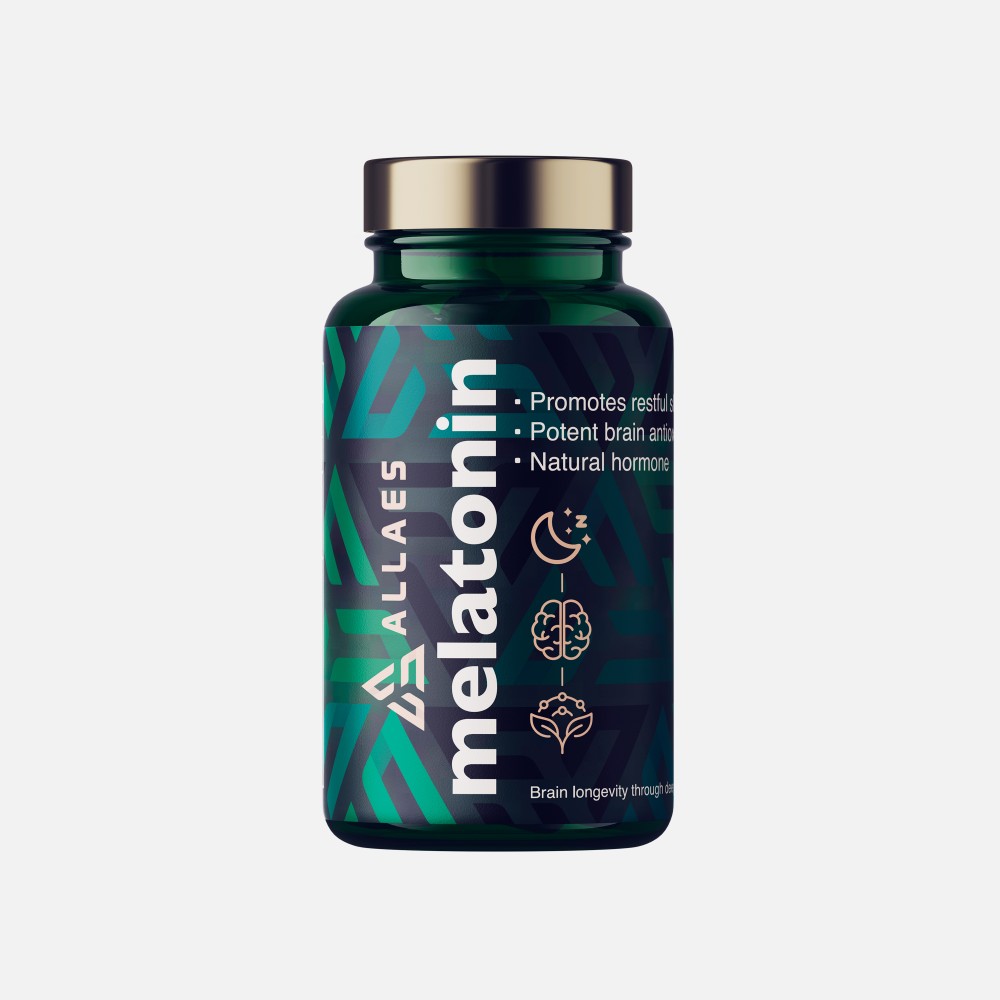
Melatonin – Support for the Circadian Rhythm for Faster Falling Asleep and Better Sleep Timing
Melatonin is a hormone that the body naturally produces when it is time to sleep. It signals the brain to switch to night mode, slows down body processes, and prepares you for sleep. As a supplement, it does not act like a classic sleeping pill, but rather as a signal to the body that it is bedtime. It can help shift biorhythms, make falling asleep easier, reduce jet lag effects, and normalize disrupted sleep patterns.
Important to understand: Melatonin is not a sedative. Rather, it helps set the right sleep window. Therefore, its effect is usually strongest in people with disrupted sleep rhythms (e.g., going to bed late, jet lag, shift work) and less pronounced in people with chronic insomnia.
Who can benefit from Melatonin?
- ✔ If you have trouble falling asleep: Melatonin can shorten the time it takes to fall asleep – especially if the cause is a shifted rhythm and external stimuli such as artificial light or screens.
- ✔ If you are a “night owl”: If your sleep schedule keeps getting later, melatonin can gently shift the circadian rhythm forward, provided it is taken at the right time.
- ✔ For jet lag: Taking melatonin close to the desired bedtime at your destination can reduce the severity of jet lag symptoms.
- ✔ If you are older and your sleep has become lighter: In some people, nighttime melatonin production naturally decreases with age.
- ✔ If you work in shift work or travel frequently: Melatonin can ease the transition and speed up the return to a stable sleep rhythm (with proper timing).
How to take Melatonin correctly?
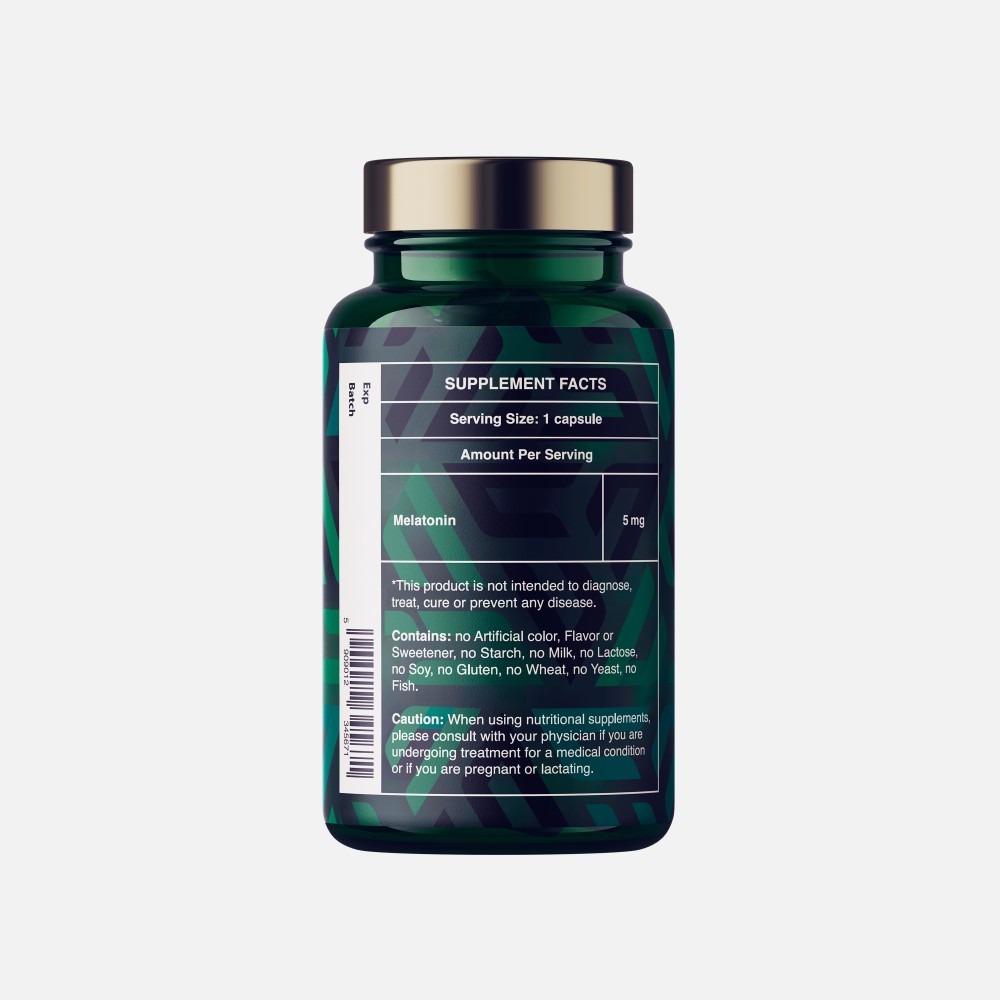
- Recommended dosage: 5 mg per day.
- Maximum dosage: Up to 10 mg per day (depending on individual tolerance).
- Time of intake: 30 minutes to 1 hour before going to bed to promote restful sleep.
- Duration of intake: For optimal results, use over 7–14 days or as needed for occasional sleep disturbances.
How does Melatonin work?
Melatonin works primarily through the regulation of the circadian rhythm. It signals the body to prepare for sleep in the dark, which makes falling asleep easier and promotes deeper sleep phases. Levels rise in the evening, help you wind down, and support restful sleep.
Melatonin also has antioxidant properties: it can neutralize free radicals and protect cells from oxidative stress. This can mitigate inflammatory processes and preserve tissue from damage due to aging or environmental factors, contributing to overall cellular health.
Additionally, melatonin supports the immune system by promoting the formation of immune cells and strengthening the body’s defense against infections. It also has neuroprotective effects, protects the brain from oxidative damage, and helps maintain cognitive functions.
Benefits for PED users
Healthy sleep is one of the most important “anabolic” factors for athletes. Sleep promotes the regeneration of the nervous system and muscles, normalizes appetite regulation and insulin sensitivity, and improves stress management – thereby reducing the risk of overtraining and chronic inflammation. With consistently high-quality sleep, performance usually recovers faster between sessions, concentration and technique improve, and progress becomes more predictable even with high training volumes.
A typical problem when using AAS (anabolic-androgenic steroids) or stimulants is a disrupted sleep rhythm, light sleep, and overstimulation of the central nervous system (CNS). In such situations, melatonin can be helpful as a timing regulator: it can make falling asleep easier and stabilize a consistent bedtime, which supports regeneration and resilience during high training volumes.
However, it is important not to use melatonin as a “crutch” for chronic insomnia. If sleep is only achieved with supplements or dosages are constantly increasing, this is a reason to rethink stimulant use, sleep hygiene, and overall training structure.