Description
What is Bacteriostatic Water?
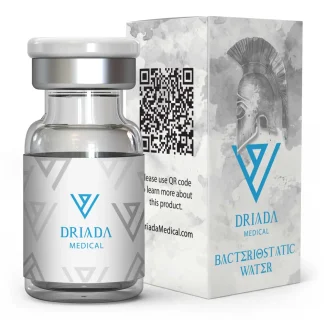
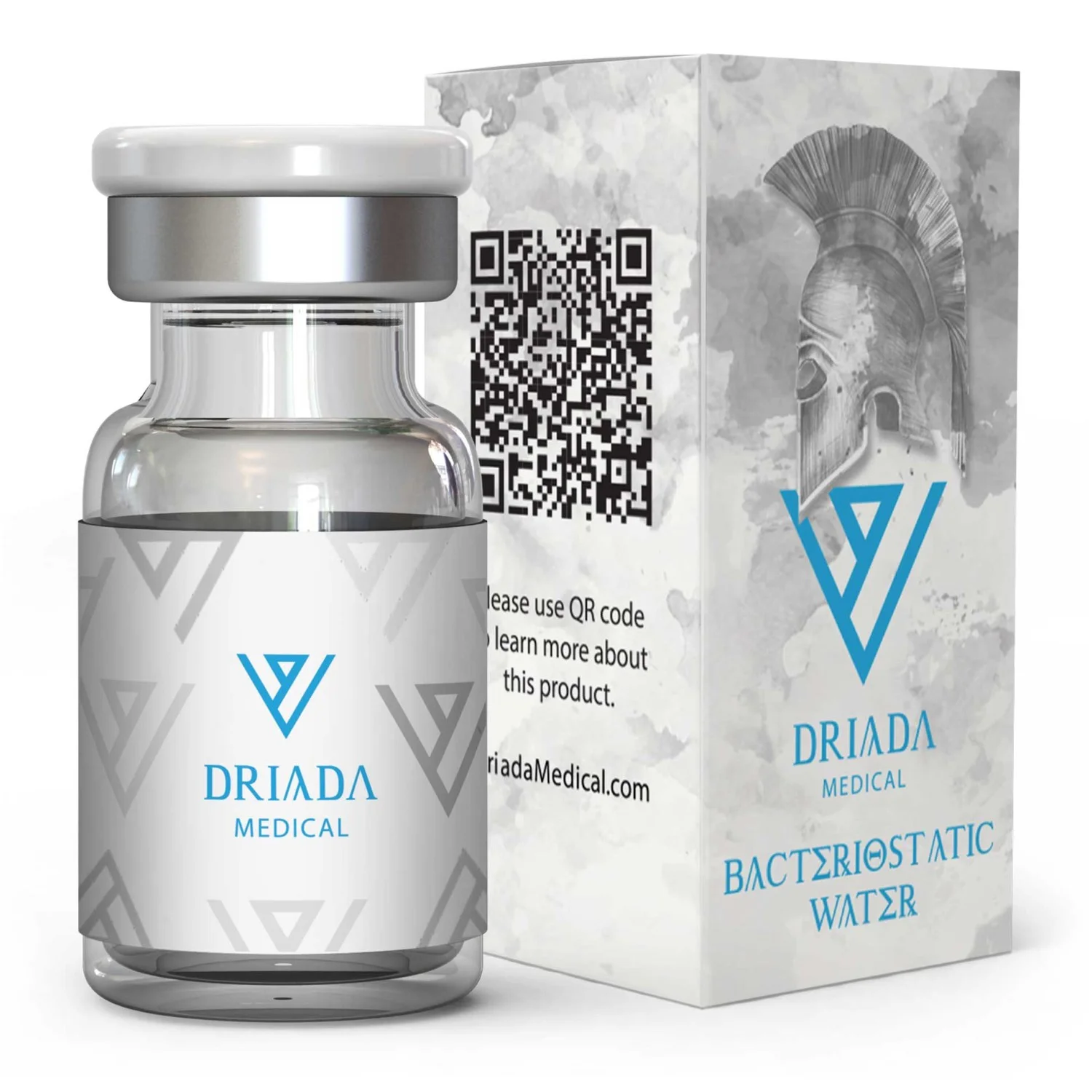
Bacteriostatic water for injection is sterile water containing a preservative, used for the reconstitution (dissolving) of medications for injection. The active ingredient in bacteriostatic water is benzyl alcohol, which serves as a preservative to prevent the growth of bacteria in the water.
Purpose of use
Bacteriostatic water is used in the medical field to prepare injectable medications that must be stored for a period before they are used. The preservative in the water helps prevent the growth of bacteria and other microorganisms, ensuring that the drug remains sterile and safe.
With regard to growth hormones and other peptides, they are often reconstituted with bacteriostatic water for injection before being administered via subcutaneous (under the skin) or intramuscular injection. This helps ensure that the growth hormone remains sterile and free of bacteria, which is crucial to avoid infections and maintain the drug’s effectiveness.
Mechanism of action
The mechanism of action of bacteriostatic water is based on the presence of a preservative, usually benzyl alcohol, which acts as an antimicrobial agent. Benzyl alcohol inhibits the growth and multiplication of bacteria by disrupting the enzymes necessary for bacterial cell growth and function. This slows down or effectively stops the growth of bacteria, thereby preserving the sterility of the water and any medication reconstituted with it.
When bacteriostatic water is used for the reconstitution of medication, the benzyl alcohol helps prevent the growth of bacteria that may be present in the medication or the environment. This ensures that the reconstituted drug remains sterile and safe, preventing the risk of infection that can occur if bacteria are introduced during injection.
It is important to note that bacteriostatic water is not a sterilizing agent and may contain small amounts of bacteria. The purpose of the preservative is to prevent the growth of these bacteria, not to eliminate them entirely. Therefore, it is important to carefully follow the manufacturer’s instructions when reconstituting medication with bacteriostatic water, and to use the reconstituted drug within a specific time frame to maintain its effectiveness and avoid contamination.
Warnings
It is important to carefully follow the manufacturer’s instructions when reconstituting growth hormones or peptides with bacteriostatic water, as incorrect dilution can affect the potency and stability of the drug. In addition, the solution should be used within a specific time frame after reconstitution to maintain its effectiveness and avoid contamination.
Storage
- Bacteriostatic water should be stored properly to ensure its effectiveness and prevent contamination. The following storage guidelines should be followed:
- Room temperature: Bacteriostatic water should be stored at room temperature (15°C to 25°C or 59°F to 77°F).
- Away from direct light: Bacteriostatic water should be kept in a cool, dry place away from direct light.
- Unopened vials: Unopened vials of bacteriostatic water should be kept in their original packaging until they are used.
- Opened vials: Once opened, a vial of bacteriostatic water should be used within the period specified by the manufacturer, usually 28 days.
- Discard if expired: Bacteriostatic water should be discarded if it has exceeded its expiration date or if it becomes discolored or cloudy.
- Do not freeze: Bacteriostatic water should not be frozen or exposed to freezing temperatures, as this can damage the preservative and make the water ineffective.
It is important to note that bacteriostatic water should only be used for the reconstitution of medications for injection and not for other purposes, such as drinking or as eye drops. Always carefully follow the manufacturer’s instructions to ensure the correct dilution and storage of the reconstituted drug.