Description
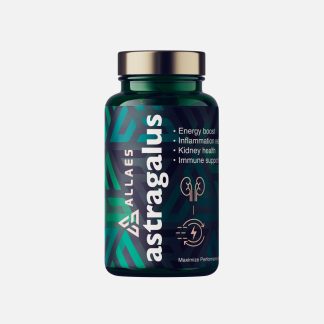
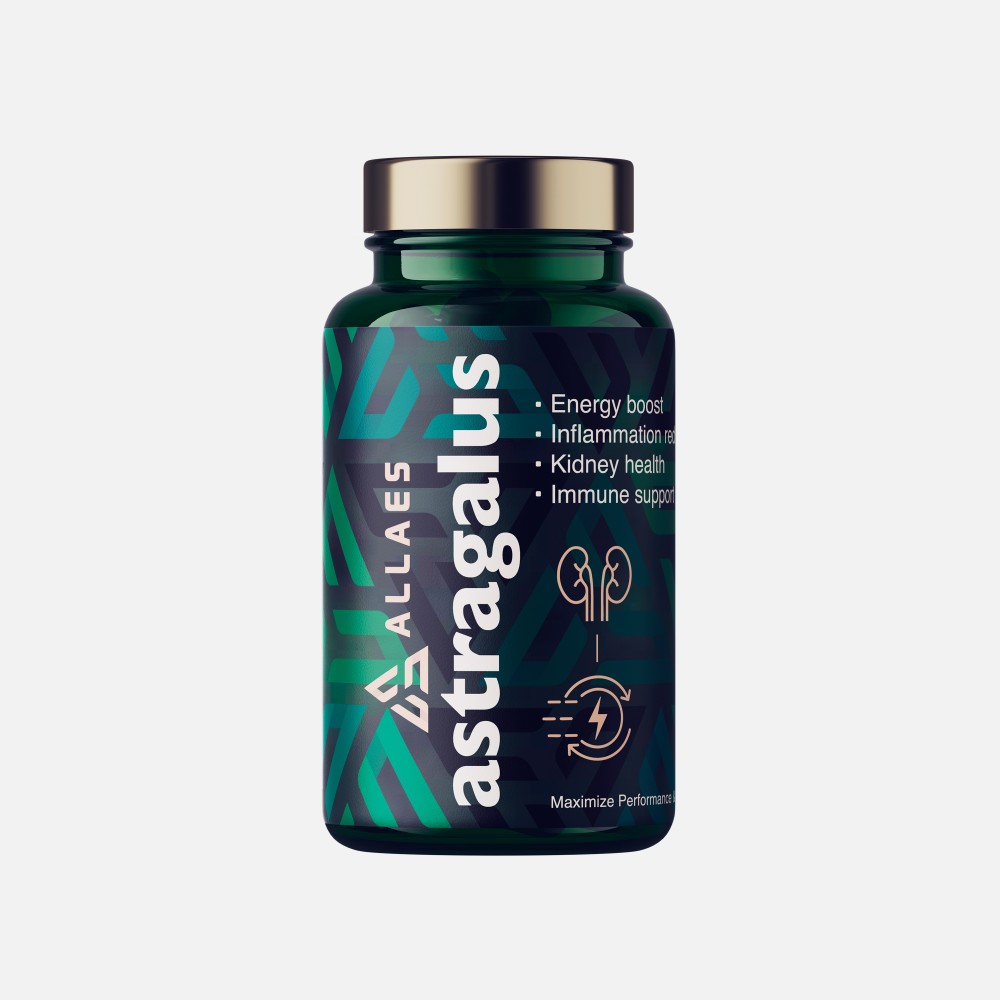
Astragalus membranaceus — Adaptogen, Immune System Support, and Inner Protection
Astragalus (Astragalus membranaceus) is a plant whose root, also known as Huang Qi, has been used for centuries in traditional Chinese medicine to regenerate life energy, support recovery from illnesses, and protect the body during times of physical or emotional exhaustion. Modern research continues to confirm its broad spectrum of effects.
Astragalus strengthens the immune system and helps balance inflammatory processes, thereby reducing the overall burden on the body during stress or illness. It improves the function of mitochondria – the energy centers of the cells –, supports recovery from exhaustion, and promotes kidney filtration as well as blood circulation. Studies also point to its antidiabetic potential: Astragalus can improve insulin sensitivity and help lower blood sugar levels. Because of its ability to inhibit abnormal cell growth and activate immune defense mechanisms, it shows promising anti-cancer properties. Furthermore, it can slow down cellular aging and support male fertility.
Who can benefit from Astragalus?
- ✔ If you get sick frequently or your immune system is weakened — Astragalus naturally activates the body’s defense mechanisms, increases resistance to infections, and promotes faster recovery.
- ✔ If you suffer from chronic fatigue, get exhausted quickly, or recover slowly after physical or mental exertion — the active polysaccharides and antioxidants in Astragalus support mitochondrial function, improve energy metabolism, and reduce low-grade inflammation that often accompanies exhaustion.
- ✔ If you take medications, train intensively, or follow a high-protein diet — Astragalus can help reduce kidney strain, support filtration function, and lower protein levels in the urine – an early sign of kidney overload.
- ✔ If you are under chronic stress — Astragalus helps balance the immune response by reducing pro-inflammatory cytokines like IL-6 and TNF-α, which often remain elevated under stress and impair recovery.
- ✔ If you need to keep an eye on your blood sugar, are prone to metabolic problems, or carry excess weight — Astragalus can improve insulin sensitivity, help stabilize blood sugar levels, and reduce inflammation associated with visceral fat accumulation.
- ✔ If you want to support your cardiovascular health — Astragalus improves microcirculation, protects blood vessels from inflammation, and helps preserve the elasticity of capillaries.
- ✔ If you want to protect your body from age-related or pathological changes — Astragalus can slow down cellular aging by activating telomerase and protecting DNA, while simultaneously promoting the recognition and suppression of atypical cells, thereby potentially lowering cancer risk.
How to take Astragalus correctly
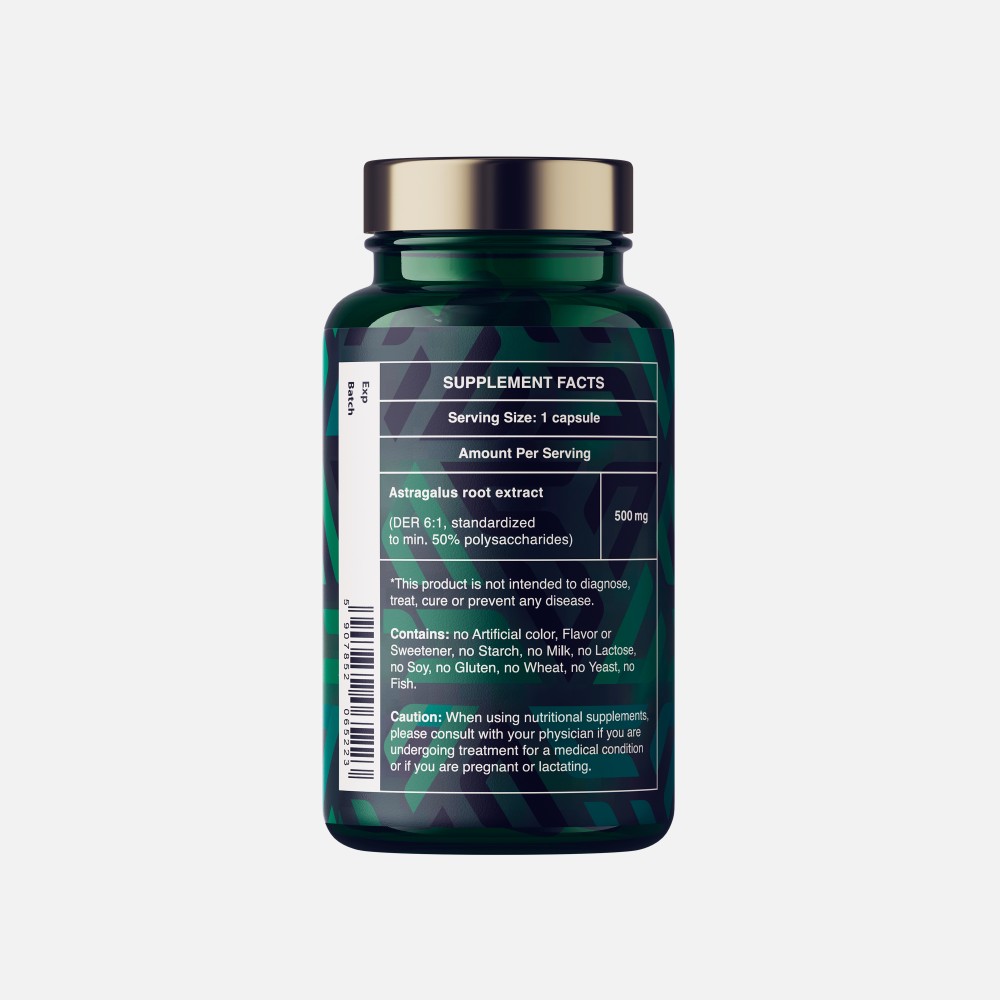
- Recommended dosage: 1–2 capsules per day. This range effectively supports the immune system, energy levels, and general recovery. It is best to start with 1 capsule daily and increase the dose if necessary.
- Maximum dosage: Up to 4 capsules per day (2000 mg extract). These dosages have been used in clinical studies and were well tolerated by most participants. However, since the long-term effects of high doses are not fully known, it is recommended to increase the dose gradually and observe your own well-being.
- Best time to take: Anytime during the day. Ideally in the morning or early afternoon, as some users report having trouble falling asleep after taking Astragalus in the evening. If you have a sensitive stomach, take it with a meal.
- Duration of intake: At least 4 weeks. A stable effect usually occurs after 2–3 months of regular use. Studies have shown that even intake of up to a year has no negative effects. The benefits are cumulative, and initial improvements are typically noticeable within 1–2 weeks of regular intake.
How does Astragalus work?
The active compounds in Astragalus – primarily polysaccharides and saponins (such as astragalosides) – trigger a cascade of protective mechanisms in the body. Polysaccharides directly activate central elements of the immune system: they increase the activity of macrophages (cells that are the first to recognize and engulf viruses and bacteria), stimulate T-cells (which coordinate immune responses and recognize infected cells), and increase the activity of natural killer cells (NK cells), which eliminate mutated or virus-infected cells. As a result, the body responds more effectively to infections and recovers faster from illnesses or physical stress.
Interestingly, this immune-stimulating mechanism is also responsible for the anti-cancer potential of Astragalus. Studies in animal and cell models have shown that Astragalus can slow the growth of tumor cells by enhancing immune surveillance and suppressing inflammatory signaling pathways involved in tumor progression.
Saponins, particularly astragalosides, play a key role in regulating inflammation. They lower the levels of pro-inflammatory cytokines such as IL-6 and TNF-α, which are often elevated during chronic stress, overtraining, or illness. By reducing systemic inflammation, Astragalus supports more efficient recovery, improves overall well-being, and slows down tissue aging.
Astragalus also promotes cellular energy production by protecting mitochondria – the organelles responsible for ATP generation. Under conditions of inflammation and oxidative stress, mitochondrial function is impaired. The active compounds in Astragalus stabilize mitochondrial membranes, lower free radical levels, and help maintain efficient energy metabolism. This is especially important for the brain, muscles, and immune system, particularly during times of high physical or mental strain.
Its kidney-protective effects result from reducing capillary permeability and supporting filtration processes. Astragalus has been shown to lower protein levels in the urine – an early sign of kidney strain, which is particularly relevant for high-protein diets, intensive training, or medication use.
Astragalus also influences the enzyme telomerase, which slows cellular aging by maintaining telomere length – the protective caps at the ends of chromosomes. By activating telomerase, Astragalus helps cells preserve their regenerative capacity and counteract age-related decline.
Astragalus also has a positive influence on glucose metabolism. Its active compounds improve insulin sensitivity, help regulate blood sugar levels, and reduce inflammation – especially in cases of overweight and visceral fat accumulation, where chronic low-grade inflammation impairs recovery and increases the risk of metabolic disorders. This effect can help reduce the risks associated with obesity, insulin resistance, and type 2 diabetes.
What problems can Astragalus solve?
Strengthens the immune system and reduces inflammation
Astragalus supports immune function and helps balance inflammatory responses. Its active components, such as polysaccharides and saponins, increase the activity of T-lymphocytes and natural killer cells, which recognize and destroy infected or abnormal cells. In addition, Astragalus extract lowers the levels of pro-inflammatory cytokines like IL-6 and TNF-α, which often remain elevated during chronic stress or metabolic disorders, hindering regeneration and accelerating the aging process.
Study: The intake of Astragalus led to a reduction in inflammation-promoting cytokines and improved immune regulation in patients with type 2 diabetes.
Improves energy metabolism and reduces chronic fatigue
Astragalus contributes to the restoration of cellular energy by supporting the health of mitochondria – the organelles where most cellular energy is generated. Polysaccharides from Astragalus protect mitochondria from oxidative stress and preserve their function during fatigue or illness.
Study: Multi-week Astragalus intake significantly reduced symptoms of chronic fatigue in patients compared to the control group.
Supports cardiovascular health
Astragalus improves microcirculation, protects blood vessel walls from inflammation, and contributes to the maintenance of vascular elasticity. These effects are especially important during stress, high blood pressure, and metabolic disorders.
Study: The use of TA-65 (an active ingredient based on Astragalus) over 12 months improved cardiovascular markers, including a reduction in blood pressure and cholesterol levels.
Has antidiabetic properties
Astragalus compounds (particularly polysaccharides and flavonoids) improve tissue sensitivity to insulin, promote the function of beta cells in the pancreas, and lower blood sugar levels. This makes it a promising dietary supplement for supporting metabolic health and preventing diabetes-related complications.
Study: A herbal complex with Astragalus improved blood sugar levels, beta-cell function, and antioxidant enzyme activity in patients with type 2 diabetes.
Promotes cellular longevity
Astragalus can activate telomerase – the enzyme that protects telomeres (the ends of chromosomes), which shorten with age. Maintaining telomere length is associated with better regenerative capacity and a slower biological aging process.
Study: TA-65 (based on Astragalus active ingredients) lengthened telomeres in older adults after one year of use.
Increases male fertility
Stress, inflammation, and fatigue can impair sperm motility. Astragalus has been shown to improve sperm vitality and motility, making it a potentially useful supplement for male infertility.
Study: In vitro, Astragalus increased sperm motility by more than 45%.
Reduces the risk of tumors and cancer
Astragalosides and other active components of Astragalus modulate immune function and regulate cell growth, allowing the body to better fight tumor cells. Extracts have been shown to increase macrophage activity and boost the production of anti-cancer cytokines.
Review article: Astragalus extract and its saponins regulated central signaling pathways in gastrointestinal cancers and demonstrated antitumor activity.
Benefits for PED users
When hormonal substances, stimulants, or other performance-enhancing drugs are used, the body works under increased pressure. The kidneys must filter waste products more intensively, immune function is suppressed, and inflammation and fatigue increase – even with an optimal diet. In these situations, Astragalus can be a valuable support.
First, it helps regulate inflammation. Even if not directly noticeable, the use of AAS or stimulants is almost always associated with elevated levels of pro-inflammatory cytokines. These molecules hinder regeneration, disrupt immune balance, and slow down tissue repair. The active compounds in Astragalus modulate this process and reduce systemic inflammation – which is especially important during PCT or in cases of chronic exhaustion.
Second, Astragalus supports kidney function. High-protein diets, high training loads, or substances that strain metabolism can overload the kidneys. This is often reflected in lab values through elevated urea levels or protein in the urine. Astragalus can help lower these markers and maintain filtration capacity – which is especially important during the bulking phase or recovery time after a heavier cycle.
Additionally, it boosts energy and endurance. Astragalus has proven effective against chronic fatigue, improves performance, and shortens recovery time. In fact, studies show that taking 500 mg of extract twice daily significantly reduced symptoms of prolonged fatigue – including mental exhaustion and general lack of drive. These are exactly the effects that many athletes experience during PCT or the dieting phase.