Description
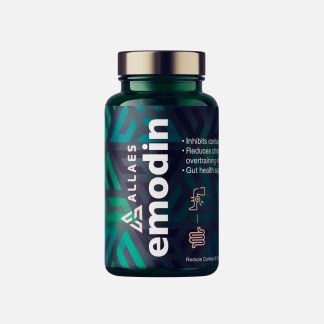
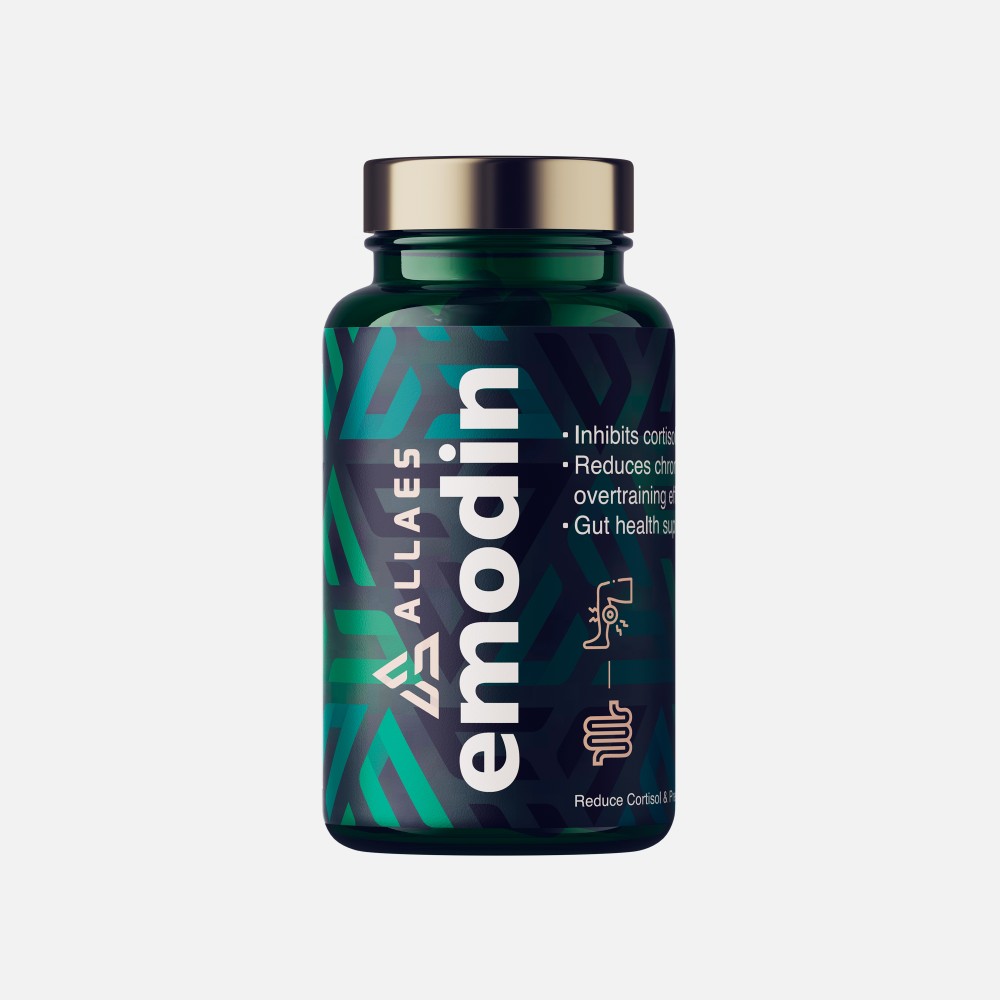
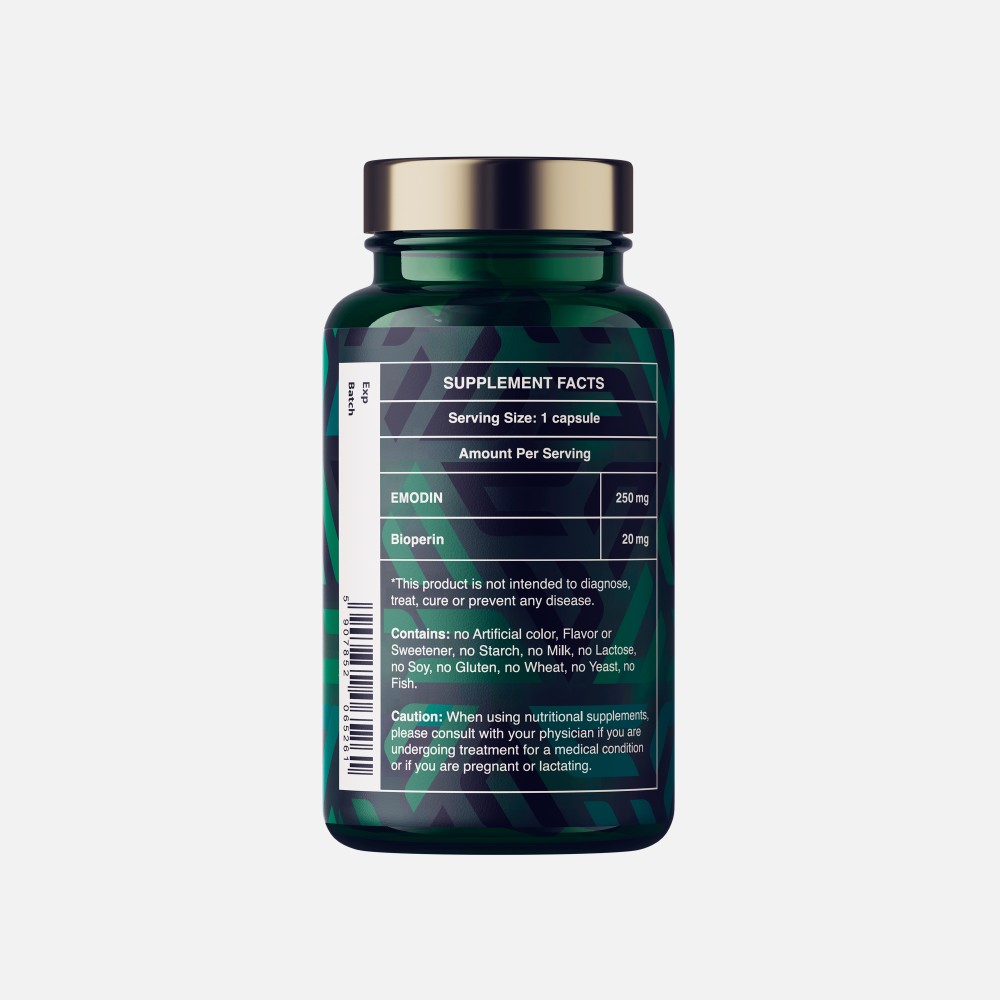
Package: Emodin 250mg / Bioperine 20mg
Chronic stress, fatigue, anxiety: How can Emodin help?
Emodin is a natural organic compound and adaptogen found in various plants such as rhubarb, buckthorn, and Japanese knotweed (Polygonum cuspidatum). It is known for a variety of beneficial properties, including anti-inflammatory, antioxidant, antibacterial, antitumor, and, above all, stress-reducing effects!
Here we focus on some of its most important benefits:
- Strong relaxing and stress-reducing effects
- Improved recovery and reduced inflammation
- Supports improved insulin sensitivity and lowers the risk of diabetes and obesity
Who can benefit from Emodin?
✔ People under long-term stress
In individuals with chronic stress, Emodin can act as a potential modulator of hormonal balance. According to published data, Emodin selectively inhibits the enzyme 11β-HSD1, which is responsible for converting cortisone into active cortisol – one of the body’s most important stress hormones [1][2].
By reducing active cortisol levels, especially during chronic stress or inflammation, Emodin can help alleviate symptoms of elevated cortisol, such as those occurring in chronic inflammatory conditions [1][3][4].
Furthermore, Emodin can provide valuable support for hormonal and metabolic balance during long-term diets, intense competition preparation, or other factors that cause physical and emotional stress.
✔ People with digestive problems
Emodin has mild laxative properties that can be helpful for occasional constipation and supports the overall function of the digestive system. It stimulates bowel movements and promotes the excretion of waste products without severely irritating the mucous membranes.
✔ People with type 2 diabetes
Several studies show that Emodin can help regulate blood sugar levels. It increases cellular sensitivity to insulin – the hormone that transports glucose from the blood into the cells, where it is used as energy.
In people with insulin resistance (a condition where cells “ignore” insulin), glucose accumulates in the blood, which can lead to type 2 diabetes. Research suggests that Emodin can improve the cellular insulin response, allowing the body to absorb glucose more efficiently and reduce excess blood sugar [3].
Thanks to this effect, Emodin is considered a promising metabolic support agent for individuals with prediabetes, metabolic syndrome, or early-stage type 2 diabetes.
✔ People undergoing cancer treatment
Some studies suggest that Emodin can inhibit the growth of cancer cells and even trigger apoptosis (programmed cell death).
It can also inhibit the formation of new blood vessels that feed tumors (a process known as angiogenesis). Without these vessels, tumors have difficulty growing and spreading. Emodin has also been shown to downregulate certain genes involved in cell proliferation [3][4].
These properties make Emodin an interesting candidate for additional support in integrative cancer therapy – especially in early stages or as a complement to conventional treatments.
Important: This does not replace medical treatment, but is a potential complementary approach that could be used alongside standard therapies under medical supervision.
✔ People with chronic inflammation
Emodin has anti-inflammatory properties that can be useful for individuals with persistent or chronic inflammation (e.g., in autoimmune diseases, metabolic disorders, or unresolved inflammatory processes).
During inflammation, the body produces special molecules called cytokines, which maintain and amplify the inflammatory response. Studies show that Emodin can reduce the amount of these molecules and suppress inflammation [5][6][7]. It also affects an important cell signaling pathway called NF-κB – a “switch” that activates inflammation. By downregulating this pathway, Emodin reduces the production of aggressive inflammatory mediators such as TNF-α and IL-6 [4][5][6].
When inflammation becomes chronic, the adrenal glands are forced to continuously produce cortisol to contain it. By reducing inflammation, Emodin relieves the adrenal glands and lowers the need for ongoing cortisol production, making it a promising candidate for supporting stress- and inflammation-related conditions.
How to take Emodin correctly?
- Recommended dosage: In most cases, 1 capsule per day is sufficient. If your body weight is over 90 kg or you need stronger support for acute or prolonged stress, you can gradually increase the intake to 2 capsules daily.
- Timing: Emodin should be taken during the day, either before or after a meal.
- Additional tip: If you suffer from stress and anxiety, Emodin combines excellently with Ashwagandha, which is typically taken before bedtime. This combination offers a comprehensive approach to reducing anxiety and improving sleep quality.
How does Emodin work?
Research shows that Emodin is a unique compound that can directly lower cortisol levels by inhibiting the enzyme 11β-HSD1 – which distinguishes it from traditional adaptogens [1][2].
Cortisol is a vital survival hormone that helped our ancestors cope with hunger, cold, and danger. It mobilizes the body’s resources in response to prolonged stress – unlike adrenaline, which acts quickly and briefly.
In the modern world, where threats are often emotional and chronic – such as lack of exercise, overtraining, and irregular sleep – this ancient mechanism often does more harm than good. Cortisol continues to try to “help,” but in an inappropriate way, leading to the following consequences:
- Muscle breakdown
- Fat gain and water retention
- Deterioration of skin and hair
- Exhaustion of the nervous system
- Increased anxiety, risk of depression, diabetes, and high blood pressure
Emodin is one of the few compounds that directly regulates cortisol production at the biochemical level. Unlike many dietary supplements that only alleviate symptoms, Emodin directly intervenes in the mechanism of hormone production [1][2].
Therefore, Emodin can be particularly useful:
- During phases of stress, recovery, or competition preparation
- For insulin resistance and inflammation
- As a complement to other anti-stress agents to enhance their effect
The composition matters!
On its own, Emodin has low bioavailability, which means that its effects can be inconsistent without absorption enhancers.
In our formula, we have solved this problem by adding a specialized black pepper extract (Bioperine®), which increases the permeability of the intestinal lining, improves the absorption of Emodin significantly, and reduces possible gastrointestinal discomfort.
Benefits for PED users
It is important to understand that a long-term diet or intense training during competition preparation represents a delicate balance between eustress – positive stress that triggers adaptation – and distress – a harmful state that activates destructive processes in the body. PEDs can mitigate some of these effects, for example, by preventing muscle breakdown during a low-carb diet or supporting extreme training loads, but accumulated stress often manifests as high blood pressure, water retention, insulin resistance, and an increased risk of injury.
Therefore, with intense training using PEDs, it is important to recognize that stress accumulates faster than in natural athletes, making stress management during a cycle or dieting phase significantly more critical.
Emodin can serve as an effective solution against accumulated stress by helping to keep cortisol in check, reducing inflammation, and promoting continuous progress instead of breakdown under pressure.
Example 1: Chronic overtraining
A strength athlete might notice that despite a solid training plan, progress stagnates. Workouts feel more exhausting than rewarding, old joint pains return, and chronic fatigue sets in. These are common signs of accumulated stress and elevated cortisol levels. If cortisol remains high, recovery slows down and motivation drops. In such cases, Emodin can help lower cortisol, reduce inflammation, and support faster recovery – allowing the body to return to a more balanced and resilient state.
Example 2: Mental fatigue and loss of motivation
During intense training phases, athletes may experience a drop in mood and motivation. Instead of feeling energetic, they become irritable, unmotivated, and dissatisfied with their performance. Symptoms such as decreased libido, poor concentration, and emotional exhaustion can also indicate chronically high cortisol. Emodin helps regulate cortisol levels and alleviates both mental and physical strain. As a result, motivation can return, mood can improve, and training can become enjoyable again.