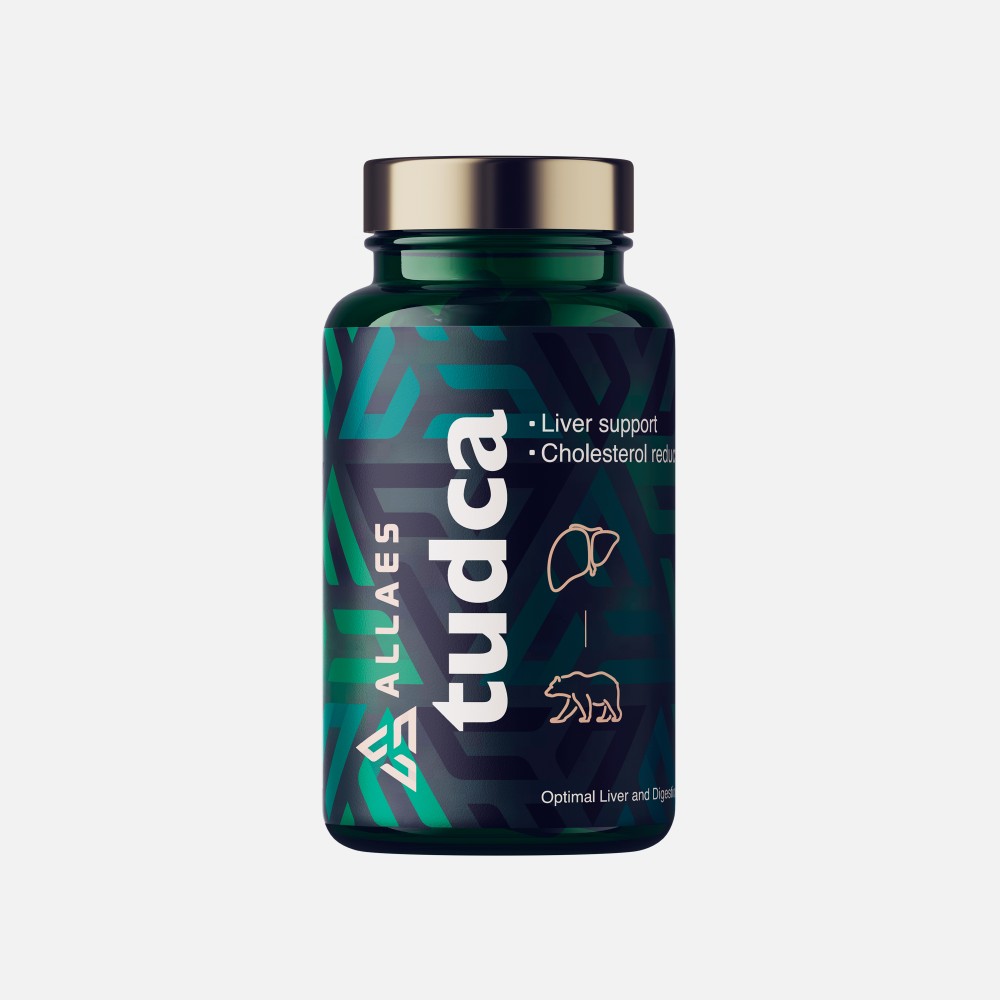
Description
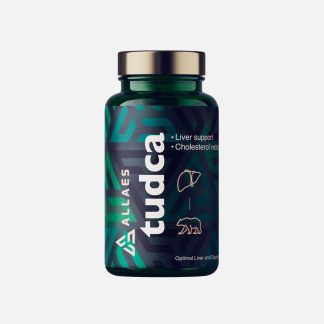
What is TUDCA?
Tauroursodeoxycholic acid (TUDCA) is a highly hydrophilic tertiary bile acid produced in low concentrations in the human body. It is a taurine conjugate of ursodeoxycholic acid (UDCA) with comparable therapeutic efficacy and safety, but significantly higher hydrophilicity. Normally, hydrophilic bile acids regulate hydrophobic bile acids and mitigate their cytotoxic effects. Tauroursodeoxycholic acid can reduce the absorption of cholesterol in the small intestine, thereby lowering dietary cholesterol absorption and overall cholesterol content in the body.
Tauroursodeoxycholic acid works to regulate bile acids and lower cholesterol levels. It reduces cholesterol saturation and increases bile flow in the gallbladder, helping to prevent the formation of gallstones.
Tauroursodeoxycholic acid also possesses anti-apoptotic and anti-inflammatory properties. These findings have led to investigations into its possible therapeutic use in neurodegenerative diseases such as amyotrophic lateral sclerosis (ALS), Alzheimer’s disease, and Parkinson’s disease. Other studies suggest that tauroursodeoxycholic acid can promote angiogenesis and inhibit adipogenesis from adipose tissue mesenchymal stem cells (MSCs). Anti-osteoporosis effects of TUDCA have also been documented, as it appears to improve the osteogenic differentiation of bone marrow-derived MSCs.
How does it work?
Approximately 90% of gallstones are formed from cholesterol, which may be caused by altered gut microbiota due to a high-fat diet and other factors. The intestinal microbiota regulates the metabolism of bile acids. Therefore, an altered gut microbiota composition can significantly change the bile acid pool and influence cholesterol secretion.
Although the exact mechanism of action of tauroursodeoxycholic acid in reducing and preventing the formation of gallstones is not fully understood, it can achieve this effect in various ways. A recent mouse study suggests that TUDCA inhibits intestinal cholesterol absorption and lowers cholesterol levels in the liver by increasing the excretion of bile acids from the liver to the gallbladder. TUDCA lowers cholesterol saturation in the gallbladder, thus increasing the solubility of cholesterol in bile. It can also help maintain a healthy composition of the gut microbiota, promoting the synthesis of bile acids and reducing liver inflammation caused by lipopolysaccharides in the blood. Ultimately, tauroursodeoxycholic acid increases the synthesis of bile acids in the liver and reduces serum and liver cholesterol levels.
Tauroursodeoxycholic acid inhibits cell apoptosis by disrupting the mitochondrial cell death signaling pathway. It works by inhibiting the production of oxygen radicals, improving endoplasmic reticulum (ER) stress, and stabilizing the unfolded protein response. Other anti-apoptotic processes mediated by TUDCA include preventing the release of cytochrome c, inhibiting caspase activation, preventing DNA and nuclear fragmentation, and inhibiting p53 transactivation. It is believed that tauroursodeoxycholic acid acts on multiple cellular targets to inhibit apoptosis and activate survival pathways.
Benefits for the body and health
- Liver protection: The use of steroids, including anabolic steroids often used in bodybuilding to accelerate muscle building, can have harmful effects on the liver. Long-term or excessive use of these substances can lead to liver damage or disease. TUDCA is a highly effective supplement for maintaining liver health, especially during a cycle.
- Lowers cholesterol and prevents gallstones: TUDCA helps maintain healthy cholesterol levels and prevents the crystallization of bile.
- Improves digestion: TUDCA helps digest the protein and fat components of food. Bodybuilders often consume high-protein diets to support muscle growth. While protein is necessary, excessive intake, along with other foods and supplements, can strain the liver over time.
- Supports insulin sensitivity: TUDCA may improve insulin sensitivity by enhancing insulin signaling pathways and reducing cellular stress, which is potentially beneficial for conditions such as type 2 diabetes and obesity, where insulin resistance is common.
- Energy production: The liver regulates blood sugar levels by storing excess glucose as glycogen. During intense exercise or between meals, the liver converts this stored glycogen back into glucose to maintain energy levels. This energy is crucial for supporting muscle contractions during exercise and aiding muscle growth.
- Supports the production of IGF-1: When the pituitary gland releases growth hormone, it stimulates the liver to produce Insulin-like Growth Factor 1 (IGF-1). This hormone promotes the growth and development of cells in various tissues, especially in muscles and bones.
IGF-1 is a crucial factor in muscle development and repair. It helps stimulate protein synthesis and promotes satellite cell proliferation, which is responsible for repairing and regenerating muscles after damage (such as the micro-tears that occur during strength training).
Maintaining a healthy liver is crucial for the production of IGF-1. If liver function is impaired, it may not produce adequate amounts of IGF-1 in response to growth hormone stimulation, which could negatively impact muscle growth and repair. A weak or damaged liver cannot produce sufficient IGF-1, which can limit muscle growth and worsen athletic performance.
Dosages
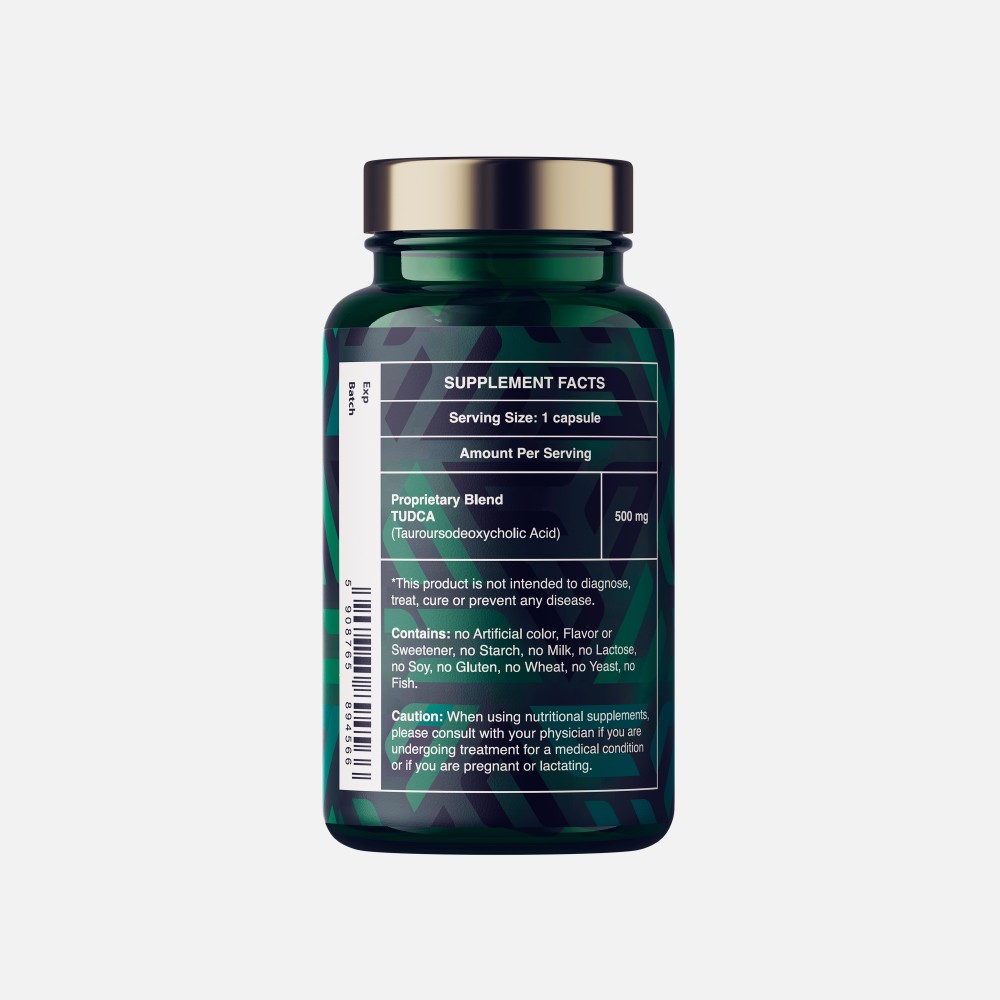
- To maintain a healthy liver: 500 mg daily
- To treat a damaged liver (chronically elevated liver enzymes, cholelithiasis, thickening of bile, or during a steroid cycle): 1000–1500 mg daily
It is generally recommended to take TUDCA before bed.
Side effects of TUDCA
In general, side effects of TUDCA are extremely rare, but may include the following:
- Digestive problems: Some people may experience mild digestive issues such as diarrhea, stomach pain, or nausea.
- Allergic reactions: Although rare, allergic reactions such as skin rash, itching, or swelling (especially of the face, tongue, or throat) can occur.
- Disturbance of bile flow: Since TUDCA is a bile acid, it can affect bile flow, which could be problematic for people with certain pre-existing liver or gallbladder diseases.
How is it used?
If your goal is simply to support the liver during intense training sessions and increased nutritional intake, and to prevent gallstones, it is sufficient to take TUDCA continuously or in cycles at a dose of 500 mg before bedtime.
If you are using large amounts of steroids, particularly high-androgen or 17-alpha-alkylated oral steroids, or if you already have poor liver enzyme test results, the TUDCA dosage should be increased to 1000 mg or more as needed to provide adequate protection.
FAQ
Is TUDCA similar to UDCA?
TUDCA is a taurine-conjugated form of UDCA. This means that TUDCA has an additional taurine amino acid attached to the UDCA molecule. Conjugation with taurine makes TUDCA more water-soluble compared to UDCA, which can influence how each is absorbed and utilized in the body. Medical studies show that both UDCA and TUDCA have identical positive effects on liver health.
Is TUDCA safe for long-term use?
There is limited research on the long-term use of TUDCA in humans. However, in the studies conducted, TUDCA is generally well-tolerated when used at recommended doses over extended periods.
Can TUDCA be used in combination with other dietary supplements or medications?
Yes, TUDCA can be combined well with other medications and dietary supplements. For example, in people with mild non-alcoholic fatty liver disease (NAFLD), combinations of TUDCA (or UDCA) and metformin are very common.
Is TUDCA suitable for everyone?
There is limited research on the safety of TUDCA in pregnant or breastfeeding women, so it is typically not recommended for use in these groups. Additionally, people who already have large gallstones should use TUDCA with caution. It is always important to consult a doctor before using TUDCA if you have any existing health problems.