Description
What is dapoxetine?
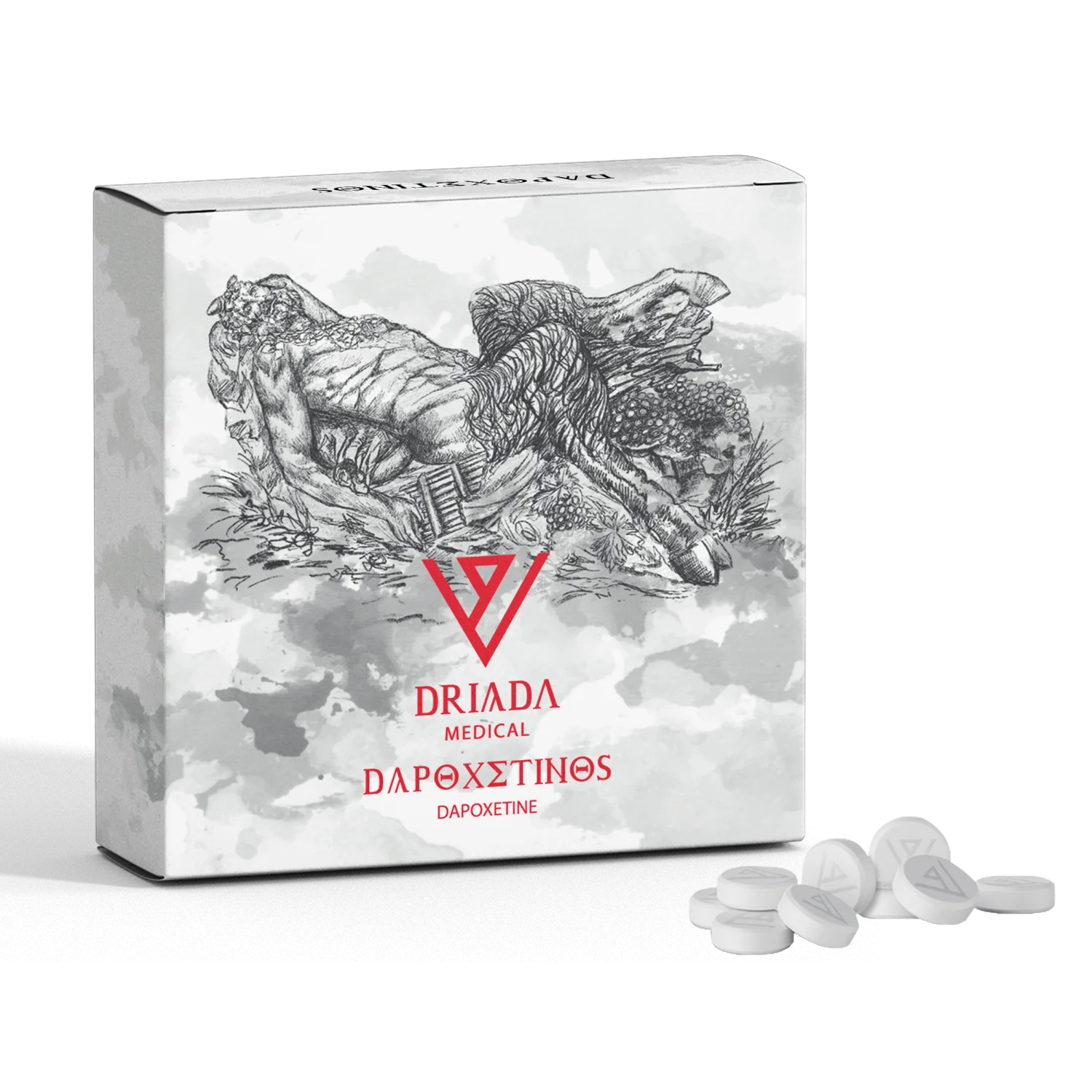
Dapoxetine is a pharmacological agent specifically developed for the treatment of premature ejaculation (PE) in men. It belongs to the class of selective serotonin reuptake inhibitors (SSRIs), which are typically used as antidepressants. However, Dapoxetine is characterized by its quick effect and short half-life, which makes it suitable for on-demand application. Originally developed as an antidepressant, the unique pharmacokinetic profile of dapoxetine led to its repurposing for PE, an application where conventional SSRIs were ineffective due to their long half-lives and delayed onset of action.
Applications
Premature ejaculation is one of the most common male sexual disorders, affecting 20-30% of men worldwide. It is characterized by a lack of control over ejaculation, which occurs earlier than desired, often within one minute of vaginal penetration. This condition can lead to significant stress, anxiety, and interpersonal difficulties. Dapoxetine is the first oral treatment specifically approved for this condition, offering a clinically significant prolongation of the intravaginal ejaculatory latency time (IELT) as well as improved control over ejaculation.
Intravaginal ejaculatory latency times (IELTs) at the endpoint for baseline IELT up to 1 min and up to 0.5 min for placebo, dapoxetine 30 mg (IELT increase: <0.5 min 3.4, <1 min 2.7), and dapoxetine 60 mg (IELT increase: <0.5 min 4.3, <1 min 3.4) (McMahon et al., 2010).
PE in athletes who use steroids
The use of anabolic steroids is widespread among athletes seeking performance enhancement and muscle mass. However, steroid use is associated with numerous side effects, including hormonal imbalances that can lead to sexual dysfunctions such as PE. The androgenic effects of steroids can disrupt the hormonal environment and contribute to conditions like PE (Sansone et al., 2018, Armstrong et al., 2018). It has been shown that dapoxetine can alleviate PE by modulating serotonergic pathways and increasing serotonin levels in the brain, which plays a crucial role in delaying ejaculation. Studies show that dapoxetine is effective in restoring ejaculatory control in athletes with steroid-induced PE, thereby improving their overall sexual health and quality of life (Corona et al., 2011).
Combination with Tadalafil/Sildenafil
In combination with potency enhancers like Tadalafil or Sildenafil, dapoxetine can improve sexual performance by not only prolonging the duration of the act but also improving control over ejaculation, thus offering a more comprehensive approach to sexual health and satisfaction.
Mechanism of action
The main mechanism of action of dapoxetine involves the inhibition of the serotonin transporter, leading to an increased concentration of serotonin in the synaptic cleft. This effect enhances the activity of the neurotransmitter at postsynaptic receptors, contributing to the delay of the ejaculatory reflex. Serotonin, a key neurotransmitter, plays a significant role in regulating mood, emotions, and sexual functions. The increased serotonergic activity in the central nervous system modulates the pathways involved in ejaculation and prolongs the time to ejaculation onset (Kirkeby et al., 2010).
After oral administration, dapoxetine is rapidly absorbed and reaches maximum plasma concentration within 1-2 hours, making it suitable for on-demand use. The short half-life of dapoxetine, approximately 1.5 hours, ensures that the medication is quickly eliminated from the body, minimizing the risk of accumulation and potential side effects associated with long-term SSRI use. This pharmacokinetic profile is particularly beneficial for patients who require intermittent treatment instead of continuous medication (Buvat et al., 2009).
Applications of Dapoxetine
Treatment of premature ejaculation
Dapoxetine is primarily indicated for the treatment of premature ejaculation (PE) in men aged 18 to 64 years. Clinical trials have demonstrated its efficacy in significantly prolonging IELT, improving control over ejaculation, and reducing the distress associated with PE. The therapeutic effects of dapoxetine have been confirmed in several randomized, double-blind, placebo-controlled studies involving thousands of patients. These studies have shown that dapoxetine significantly prolongs IELT, with many men experiencing a more than threefold increase in latency time. The treatment protocol involves taking dapoxetine 1-3 hours before expected sexual activity. This on-demand approach allows patients to maintain spontaneity in their sex lives while effectively treating PE. In addition to prolonging IELT, dapoxetine has been shown to improve patients’ perceived control over ejaculation, satisfaction with sexual intercourse, and overall sexual satisfaction (McMahon et al., 2010). In combination with potency enhancers like Cialyn or Viagros, dapoxetine can enhance sexual performance by not only prolonging the duration of the act but also improving control over ejaculation, thus offering a more comprehensive approach to sexual health and satisfaction.
Treatment of depression and other applications
Although dapoxetine is not primarily used as an antidepressant, its SSRI properties suggest a potential off-label application for treating mild depressive symptoms. SSRIs work by increasing serotonin levels in the brain, which can help alleviate symptoms of depression and anxiety. However, due to its short half-life and the need for frequent dosing, dapoxetine is not suitable for the long-term treatment of depression, unlike other SSRIs such as fluoxetine or sertraline (Rowland, 2011). Furthermore, the rapid onset of action of dapoxetine could offer benefits in acute anxiety management or other conditions where immediate serotonergic effects are desired. However, these potential applications are not well documented, and further research is needed to confirm the safety and efficacy of dapoxetine in these contexts.
Dosages
Recommended dosages
The recommended starting dose of dapoxetine is 30 mg, taken 1-3 hours before sexual activity. If the 30 mg dose does not achieve the desired therapeutic effect, it can be increased to 60 mg, based on individual efficacy and tolerability. The medication should not be taken more than once within a 24-hour period (Buvat et al., 2009).
Clinical guidelines emphasize the importance of individualized dosing to achieve optimal results while minimizing side effects. Patients should be regularly monitored to assess treatment efficacy and adjust the dosage if necessary (Sangkum et al., 2013).
Side effects
Common side effects of dapoxetine include nausea, dizziness, headache, diarrhea, and insomnia. These side effects are usually mild to moderate and decrease with continued use. However, some patients may experience more serious side effects such as syncope (fainting), which is a known risk when taking dapoxetine. Syncope typically occurs within the first three hours after ingestion and is more likely at the higher dose of 60 mg. Other potential side effects include mood changes, anxiety, and sexual dysfunction. Patients should be encouraged to report any side effects to their doctor, and dosage adjustments should be considered if necessary. Due to the risk of syncope and other side effects, patients should be advised not to engage in activities requiring full attention, such as driving or operating heavy machinery, for at least a few hours after taking dapoxetine (Buvat et al., 2009).
Precautionary measures
Patients with significant cardiovascular diseases such as heart failure, conduction disorders, or coronary heart disease should avoid dapoxetine due to an increased risk of cardiac side effects. Furthermore, dapoxetine is contraindicated in patients taking monoamine oxidase inhibitors (MAOIs) or those with a history of mania or severe depression. Patients should be informed about the potential interaction between dapoxetine and alcohol, as this can increase the risk of syncope and other side effects. It is recommended to limit or avoid alcohol consumption while taking dapoxetine. Additional precautions include avoiding concurrent use with strong CYP3A4 inhibitors, which can increase dapoxetine plasma levels and the risk of side effects (McMahon, 2012).
storage
Dapoxetine should be stored at room temperature, between 15-30 °C, in its original packaging to protect it from moisture and light. It should be kept out of reach of children and pets. Proper storage is essential to ensure the stability and efficacy of the medication (FDA, 2020).