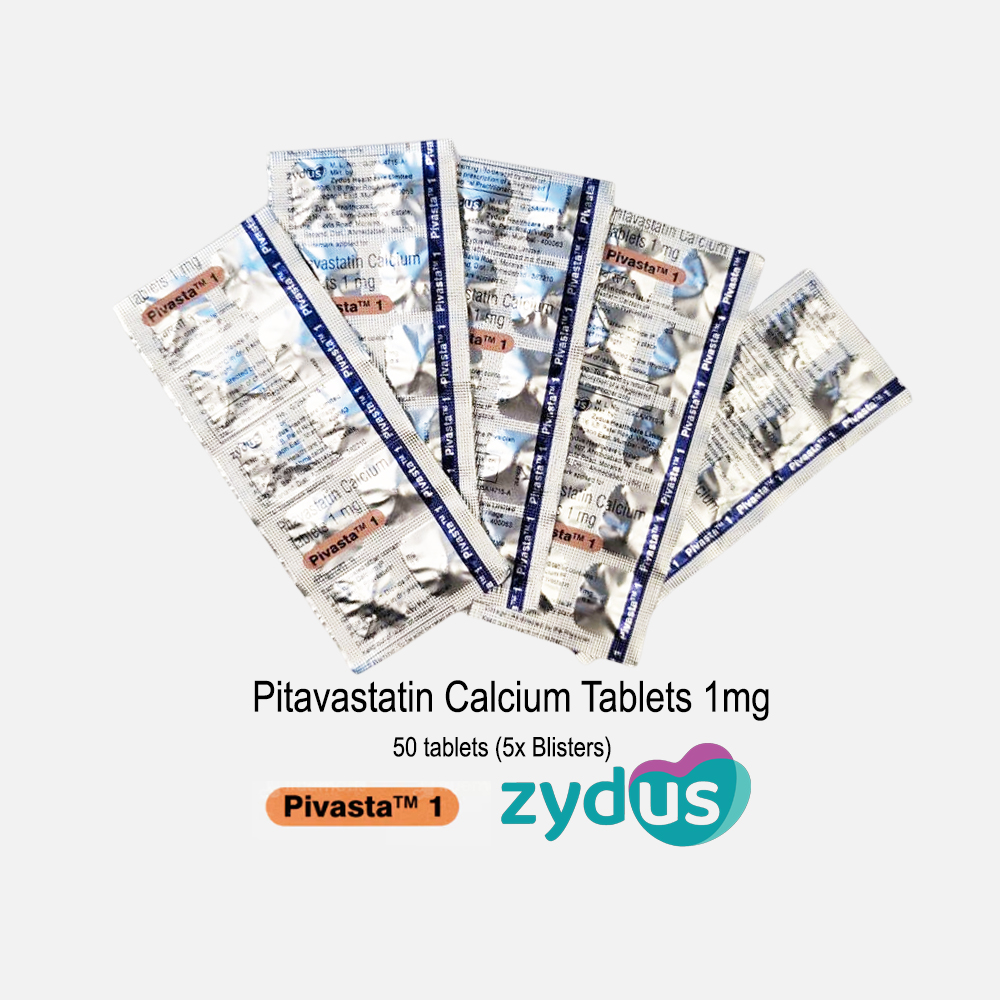
Description
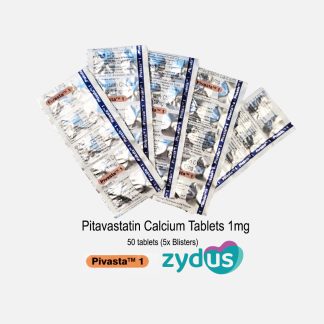
- Composition: Pitavastatin 1 mg
- Category: Cycle support (Statin)
- Purpose: Lipid profile correction, LDL reduction, HDL support, prevention of cardiovascular complications
- Form: Tablets
- Administration: Oral
What is Pitavastatin?
Pitavastatin is a statin that lowers low-density lipoprotein (LDL) levels and improves the overall lipid balance (HDL). Its main advantage over other statins is that it does not raise blood sugar levels, making it one of the safest medications for long-term use.
It is an excellent support during an anabolic steroid cycle, as such cycles lead to an increase in LDL and a decrease in HDL, which, if left untreated, increases the risk of heart disease. Therefore, Pitavastatin stands out as a safe, effective, and cost-efficient option.
Main effects of Pitavastatin
🔽 Reduction of LDL cholesterol
❤️ Increase and maintenance of HDL cholesterol
📉 Reduction of triglyceride levels
🛡️ Reduction of the risk of atherosclerosis and other cardiovascular complications
🫀 Maintenance of vascular health during intense physical stress and training
🍬 Neutral effect on glucose levels (other statins can raise blood sugar and reduce insulin resistance)
How is Pitavastatin taken?
Pitavastatin dosage and administration schedule
Initial dose: 1 mg once daily.
Gradually increase the dose up to a maximum daily dose of 4 mg (if the lipid profile continues to show high LDL levels).
Administration schedule: once daily at the same time, regardless of food intake.
Duration of use when used in an AAS cycle: throughout the entire cycle and for an additional 4–6 weeks afterward to minimize risks.
Discontinuation when lipid profile results are good and stable (LDL reduced to normal levels).
✅ For best results, it can be taken together with Ezetimibe. Ezetimibe blocks cholesterol absorption in the intestines, and in combination with Pitavastatin, LDL reduction is significantly more effective than with monotherapy. Approximate dosages:
- Pitavastatin 1 mg
- Ezetimibe 10 mg
- Once daily at the same time
Important to note
- It is advisable to avoid alcohol, as there is a risk of excessive liver strain.
- Concurrent use with certain antibiotics and antifungals should be avoided, as side effects such as muscle pain or liver strain may occur.
- The medication can disrupt the energy balance in muscle cells and impair mitochondrial function. Therefore, it is recommended to check creatine kinase levels to detect possible muscle damage.
- Have your lipid profile and liver enzymes tested to evaluate the medication’s effect.
- If you experience severe muscle pain, weakness, or dark urine, stop taking the medication immediately and seek medical examination.
Side effects
- Headache.
- Mild nausea or gastrointestinal discomfort.
- Fatigue and weakness.
- Rarely, muscle pain or cramps. This side effect is related to the fact that statins can disrupt the energy balance in muscle cells and impair mitochondrial function. In severe cases, this can lead to elevated creatine kinase levels, so it is important to monitor them if symptoms occur.
How to store Pitavastatin?
- Store in a dry place at room temperature.
- Store in a dark place, protected from sunlight.
- Keep out of reach of children.
How does Pitavastatin work?
Our liver needs cholesterol; it is a building block for the production of bile acids (which help in fat digestion), steroid hormones, and vitamin D.
- LDL transports cholesterol from the liver to the tissues and can deposit on blood vessel walls in excess.
- HDL, on the other hand, removes excess cholesterol from tissues and blood vessels and brings it back to the liver for further processing.
PEDs, and particularly AAS, increase LDL levels and decrease HDL levels, making liver and heart support necessary during a steroid cycle.
Inhibition of cholesterol synthesis and increase of LDL receptors
Pitavastatin blocks the enzyme HMG-CoA reductase in the liver, which is crucial for cholesterol production. When this enzyme is temporarily inhibited, the liver produces less cholesterol, and the body begins to actively remove cholesterol from the blood.
When total cholesterol levels drop, liver cells develop cholesterol-catching structures on their surface, known as LDL receptors. LDL normally transports cholesterol from the liver to the tissues, but when it becomes too high, the liver begins to actively reabsorb LDL particles from the blood via special receptors, thereby lowering LDL levels and the risk of cholesterol deposits on artery walls.
(, , )
Additional effects of Pitavastatin
In addition to its effects on cholesterol, Pitavastatin influences many other factors.
For example, Pitavastatin reduces the activity of immune cells in blood vessel walls and also decreases the production of inflammatory molecules (C-reactive protein, etc.), thereby reducing irritation of artery walls and chronic inflammation overall ().
Its antioxidant activity protects tissues from damage, improves blood flow, and prevents the formation of blood clots (). At the same time, endothelial function (the inner lining of blood vessels) improves, which regulates vascular tone and nitric oxide production, causing blood vessels to dilate and pressure to drop ().
Studies also show that Pitavastatin can support cognitive function (), reduce the risk of dementia (), and have positive effects on bones () and the gut microbiota ().
FAQ
How long does it take for Pitavastatin to work?
The first changes in the lipid profile can be detected within the first 2 weeks, but a more significant reduction in LDL levels is observed after 4–6 weeks of regular use.
Is Pitavastatin hydrophilic or lipophilic?
Pitavastatin is a lipophilic statin, which means it can penetrate cells more effectively.
Does Pitavastatin affect hormonal balance or testosterone levels?
Pitavastatin has a neutral effect on testosterone and other hormone levels, making it a better and more reasonably priced alternative compared to other statins.
Is Pitavastatin better than Rosuvastatin?
Although Rosuvastatin may lower LDL more strongly, it significantly more often raises blood sugar and insulin resistance, making Pitavastatin a much better and safer alternative.
Does Pitavastatin cause weight loss?
It does not cause direct weight loss. However, it improves the lipid profile and protects the cardiovascular system, which can also be weakened by excess weight and body fat.